Window Well Replacement in Madison & Dane County, WI
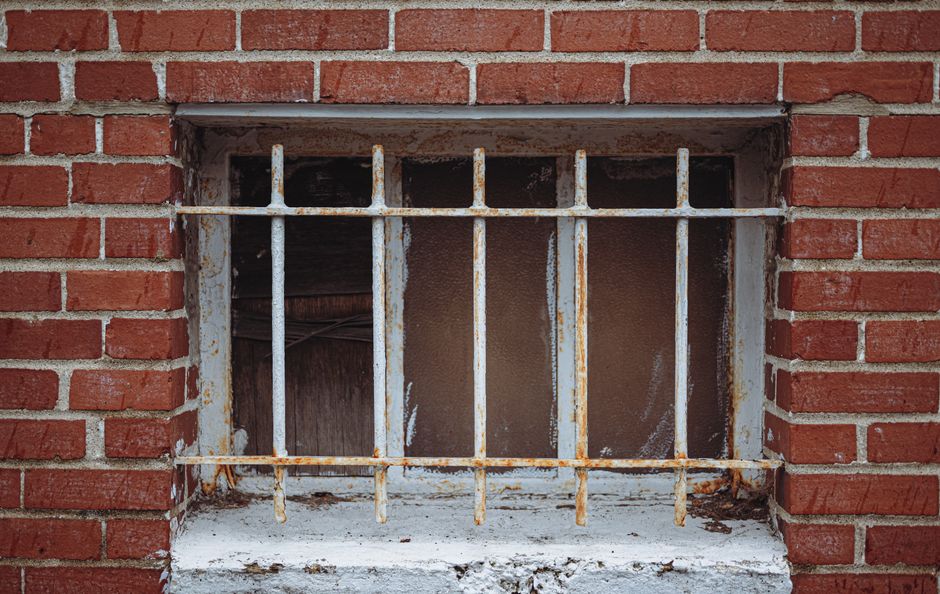
A window well that's rusted through, sunk into the soil, or pulled away from the foundation doesn't just look bad — if it sits below a bedroom's only egress window, a failed well can compromise the one opening a code inspector and a fire department both expect to work in an emergency. Window well replacement covers taking out a well that's failed structurally or no longer meets code sizing, and putting a new one in its place. That's a different scope than window well installation, which covers a well going in where none existed before — replacement starts from an opening that already has a well, one that's reached the end of its useful life. Because an egress window well is part of a code-required exit path in a basement bedroom, replacement work gets scoped against the same egress window installation requirements as new construction, not just against how the old well looks from the yard.
When a Window Well Actually Needs Replacing
Not every problem with a window well calls for full replacement — some are a repair or a liner issue instead. A fuller list of the specific warning signs is covered in signs a window well needs replacing, but the pattern that separates a repair from a replacement is usually structural: a well that has rusted through in multiple spots, buckled or bowed from soil pressure, sunk far enough that its top edge no longer sits above grade, or separated from the foundation wall enough to let water and soil in around the edges. A well that's still structurally sound but drains poorly, or has a liner problem, is a different job than one that's failing outright, and it's worth telling the two apart before assuming the whole well needs to come out.
Foundation Condition Around a Failing Well
A window well doesn't fail in isolation from the foundation it's attached to. Once a well that's rusted, sunk, or pulled away is removed, the foundation opening behind it is worth a look before a new well goes back in — deteriorated concrete or block at the opening's edges, or gaps that have opened up between the window frame and the foundation over the years, are easier to address while the old well is already out of the way than to come back for separately. This isn't a given for every replacement, but it's part of why an in-person assessment, rather than a description over the phone, ends up shaping what a given project actually involves. How a foundation was built in the first place — poured concrete, block, or an older stone foundation — also affects how a new well anchors against it, since each material holds fasteners and backfill pressure differently.
Rust and Corrosion in Metal Wells
Metal window wells are the most common type in older Dane County homes, and they're also the type most likely to reach a point where replacement makes more sense than continued patching. Rust and corrosion in metal window wells covers why corrugated steel wells tend to fail from the soil-facing side first, well before the visible interior surface shows much damage, and why a well that still looks serviceable from inside the window can already be a season or two from a structural failure underground.
Replacing the Well Without Replacing the Window
A window well and the window it serves are two separate components, and a failing well doesn't automatically mean the window has to come out too. Can you replace a window well without replacing the window? walks through when swapping just the well is straightforward, and when the two jobs end up connected — mainly when the existing window opening doesn't meet current egress sizing and a well replacement becomes the point where that gets addressed rather than deferred again.
Sizing a Replacement Well to Code
Where a window well serves a code-required egress opening, a replacement well has to meet the same sizing rule as one installed new. Wisconsin's Uniform Dwelling Code requires a window well to be at least as wide as the window it serves and to project at least 36 inches from the foundation wall (SPS 321.03(6)(e)1.). An old well that was undersized to begin with, or one that was sized to a smaller window that's since been swapped for a larger egress unit, doesn't get grandfathered in just because it's being replaced instead of installed for the first time — it gets sized to the window it serves now. Wells that sit well below grade can also trigger additional requirements under Wisconsin's code, covered in more detail on the window well installation page, since those apply the same way whether a well is brand new or a straight replacement.
Sizing isn't the only thing a replacement well has to get right, either. Drainage at the base of the well matters as much for a replacement as it did the first time the well went in — a new well set into the same footprint as one that failed partly because of poor drainage doesn't solve anything if the same drainage problem goes back in unchanged. That's one reason a replacement project sometimes ends up addressing drainage even when the original request was simply "the well is rusted out."
What Drives the Cost of Replacing a Window Well
Replacement cost isn't a single figure — it moves with the specifics of the well being replaced and the ground around it. What drives window well replacement cost breaks down the factors that matter most: the size and depth of well actually needed, how much excavation it takes to remove the old one and prep the new footprint, whether drainage has to be reworked as part of the swap, and how much room there is to access the work area in the first place.
Window Well Covers and Replacement
A well that's being replaced is also a natural point to reconsider whether it needs a cover — for keeping debris and small animals out, or for reducing a fall hazard around a walkout-level well. Window well covers covers what a cover adds, along with the code-related caveat that applies to any cover installed over a well serving an egress window: it can never block the window from working as an emergency exit.
Requesting a Window Well Replacement Quote
Window well replacement is available throughout Madison and the surrounding Dane County service area. Request a quote and describe the well's condition — rust, sinking, separation from the wall, or a size that looks too small for the window it serves — so the work can be scoped against what's actually happening at the foundation instead of a guess from a photo. Contact has the quote form and phone number for anyone who'd rather ask a question first.