Window Well Liners & Repair
A window well doesn't always need to be torn out and replaced to fix a problem with it. Corrugated metal wells rust from the inside out, precast concrete and poly units can crack, and any well — regardless of material — can gradually pull away from the foundation wall it's supposed to be anchored to. In a lot of cases, the well's underlying size and placement are still fine; what's failed is the shell itself, and a repair or liner addresses that without the excavation and full rebuild that replacement involves.
This page covers that middle-ground scope: fixing or re-lining a window well that's deteriorating but not so far gone that starting over is the only option. A well that's holding water and draining poorly but is otherwise structurally sound is a different problem with a different fix, even on the same well — this page is specifically about the well's shell, not standing water. And if the well has failed to the point that repair no longer makes sense, see window well replacement.
Signs a window well needs repair, not just cleaning
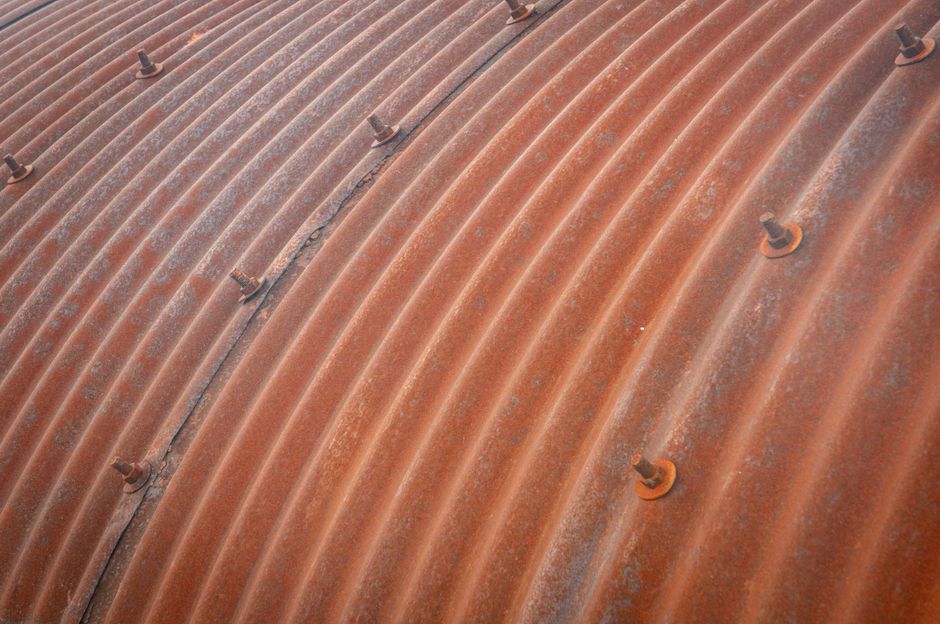
Rust and corrosion on a metal well. Corrugated steel window wells are common across older Dane County homes, and steel in constant contact with damp soil corrodes over years. Surface rust on the visible face is usually cosmetic; rust that's perforated the metal, left flaking scale, or created gaps at seams is a structural problem — the well's wall is no longer a solid barrier holding back soil.
Cracking in a concrete or poly well. Precast concrete wells can crack from ground movement, freeze-thaw cycling, or age. Poly and fiberglass units can crack from impact or UV degradation over many seasons of sun exposure. A hairline surface crack is different from a crack that's let soil or water start migrating through.
Separation from the foundation wall. A window well is meant to sit tight against the foundation with no gap for soil or water to enter behind it. Over time, backfill settling, frost heave, or a well that was never properly anchored can create a visible gap between the well and the wall — which lets soil press against the window frame or lets water track behind the well instead of draining as intended.
A well that's structurally intact but showing its age. Sometimes a well isn't failing outright but is close enough — visibly thinning metal, a network of small cracks, minor separation — that a homeowner reasonably wants to address it before it becomes a bigger problem, rather than waiting for a failure.
Liner vs. repair vs. replacement
A liner is typically installed inside an existing well shell — often a heavy-gauge poly or corrugated metal insert sized to the current well's dimensions — to provide a new, intact barrier without removing and re-digging the original well. It's a reasonable option when the well's size, placement, and overall structure are sound but the surface material has deteriorated.
A repair addresses a specific, localized problem: patching or reinforcing a cracked section, re-anchoring a well that's separated from the foundation, or addressing surface corrosion before it becomes a structural gap. Repair scope depends heavily on what's actually failed and how extensively.
Replacement — a separate service covered on the window well replacement page — is the right call when the well has deteriorated past the point where a liner or patch would hold, or when the well's actual size no longer meets code for the window it serves.
What the code requires of a window well, repaired or not
Whether it's original, lined, or repaired, an egress window well still has to meet Wisconsin's dimension and safety rules under the Uniform Dwelling Code: minimum width equal to the window's width with at least a 36-inch horizontal projection from the foundation wall, and — if the well's floor sits more than 46 inches below grade — a permanent ladder or steps meeting specific rung and load requirements, all under SPS 321.03(6)(e). A liner or repair that shrinks the usable interior dimensions of the well, or that removes or obstructs an existing ladder, can put a previously compliant well out of compliance — worth checking before assuming any repair method is a drop-in fix for an egress-serving well. The full sizing and ladder breakdown is covered on the window well installation page.
What to expect from a repair or lining project
The right approach depends on the well's material, how far the deterioration has progressed, and whether the well serves an egress window subject to the dimension rules above:
- Inspection of the well's condition — extent of corrosion or cracking, whether the shell is still structurally sound enough to line rather than replace, and whether separation from the foundation has let soil or water intrude behind the well wall.
- Re-anchoring a well that's pulled away from the foundation, restoring a tight seal against the wall.
- Installing a liner sized to the existing well's interior dimensions, when the underlying shell is sound enough to support one.
- Patching or reinforcing localized cracks or corrosion that hasn't compromised the well's overall structure.
- Confirming ladder and dimension compliance after the repair, for any well serving an egress opening.
Requesting a quote
A window well that's rusting through, cracking, or pulling away from the foundation is worth addressing before it becomes a bigger repair. Madison Egress Windows connects Dane County homeowners with contractors who assess window well condition and recommend the right scope — liner, repair, or full replacement. Call (908) 493-5028 or submit the quote form on the contact page — see the full service area list for coverage across Madison and Dane County.